California Utility Bill Layouts
References for electricity, gas, water, and telecom statement structures commonly organized under California service providers.
View California LayoutsExplore structured utility bill formats organized by region and service type. Access editable template collections designed for practical formatting, demos, and documentation workflows.

Explore utility bill layout references organized by U.S. state.
Each state hub summarizes common document structure patterns, section ordering, and billing presentation conventions typically seen within that region.
References for electricity, gas, water, and telecom statement structures commonly organized under California service providers.
View California Layouts →Documentation of billing format patterns and structural conventions typically found in Texas utility statements.
View Texas Layouts →Layout references highlighting header placement, usage sections, and grouped charge structures seen in Florida billing documents.
View Florida Layouts →State-focused layout references covering dense statement sections, billing period blocks, and charge breakdown groupings common in New York.
View New York Layouts →Layout references for common provider-style statement organization, including header hierarchy, usage presentation, and summary totals often seen in Georgia.
View Georgia Layouts →State hub documenting recurring billing layout patterns such as account detail blocks, charge categories, and statement summary positioning common in Illinois.
View Illinois Layouts →These state hubs allow you to move from national structure conventions to region-specific layout patterns while preserving a documentation-first approach.
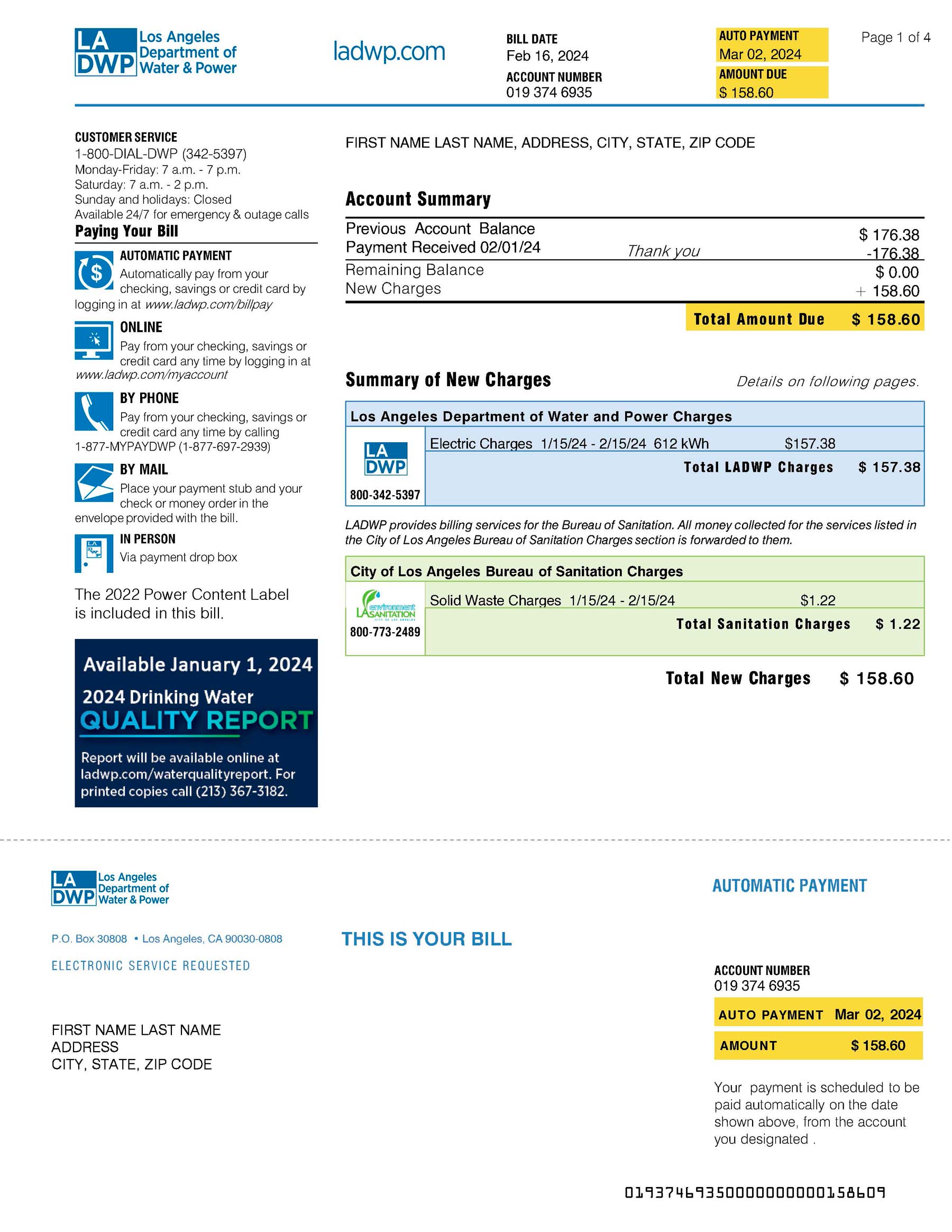
Editable California electricity utility bill template reflecting common statement structure, usage tables, charge grouping, and total summary layout typically seen across major providers.
View California Template →
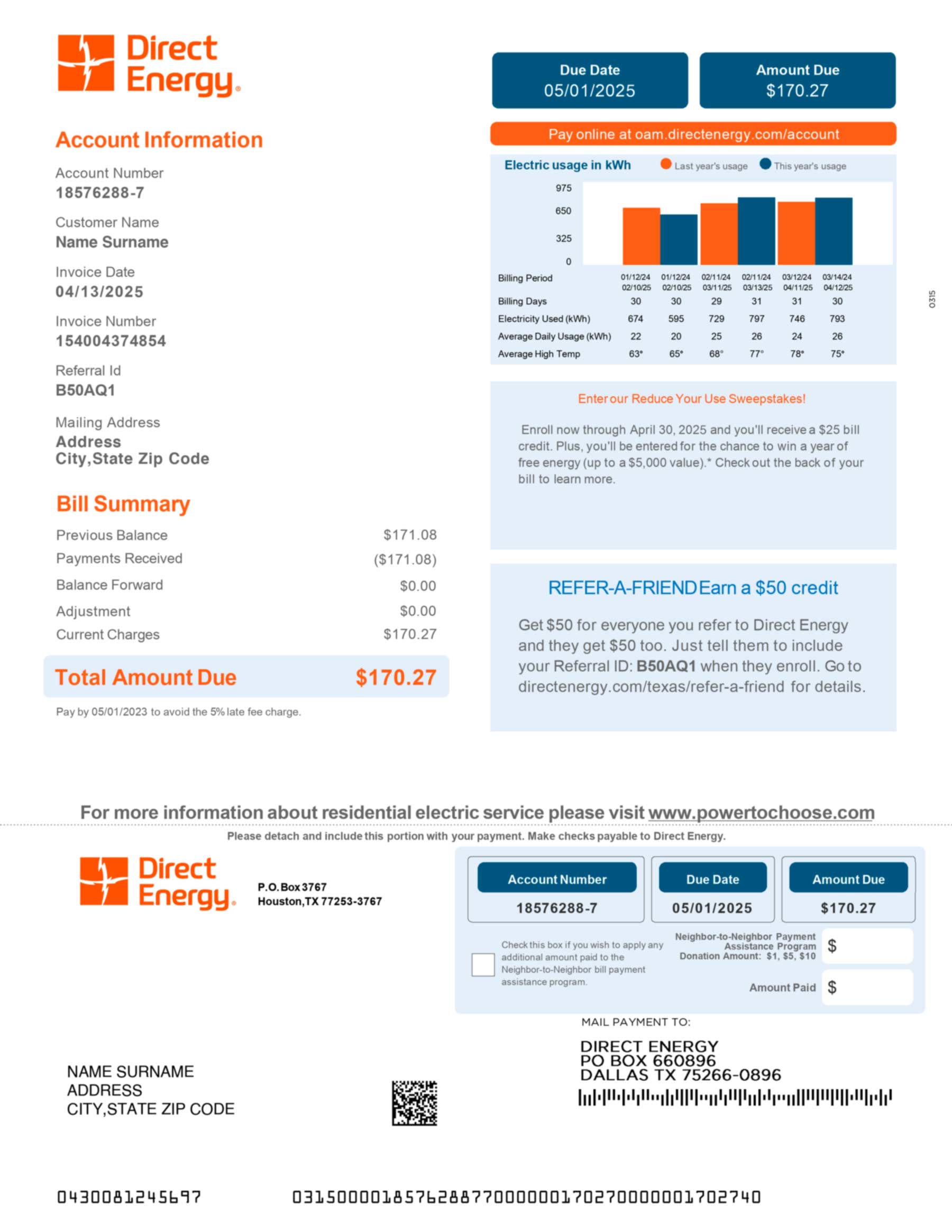
Structured Texas utility bill template with organized billing period blocks, itemized charges, usage summary sections, and clear total amount presentation.
View Texas Template →
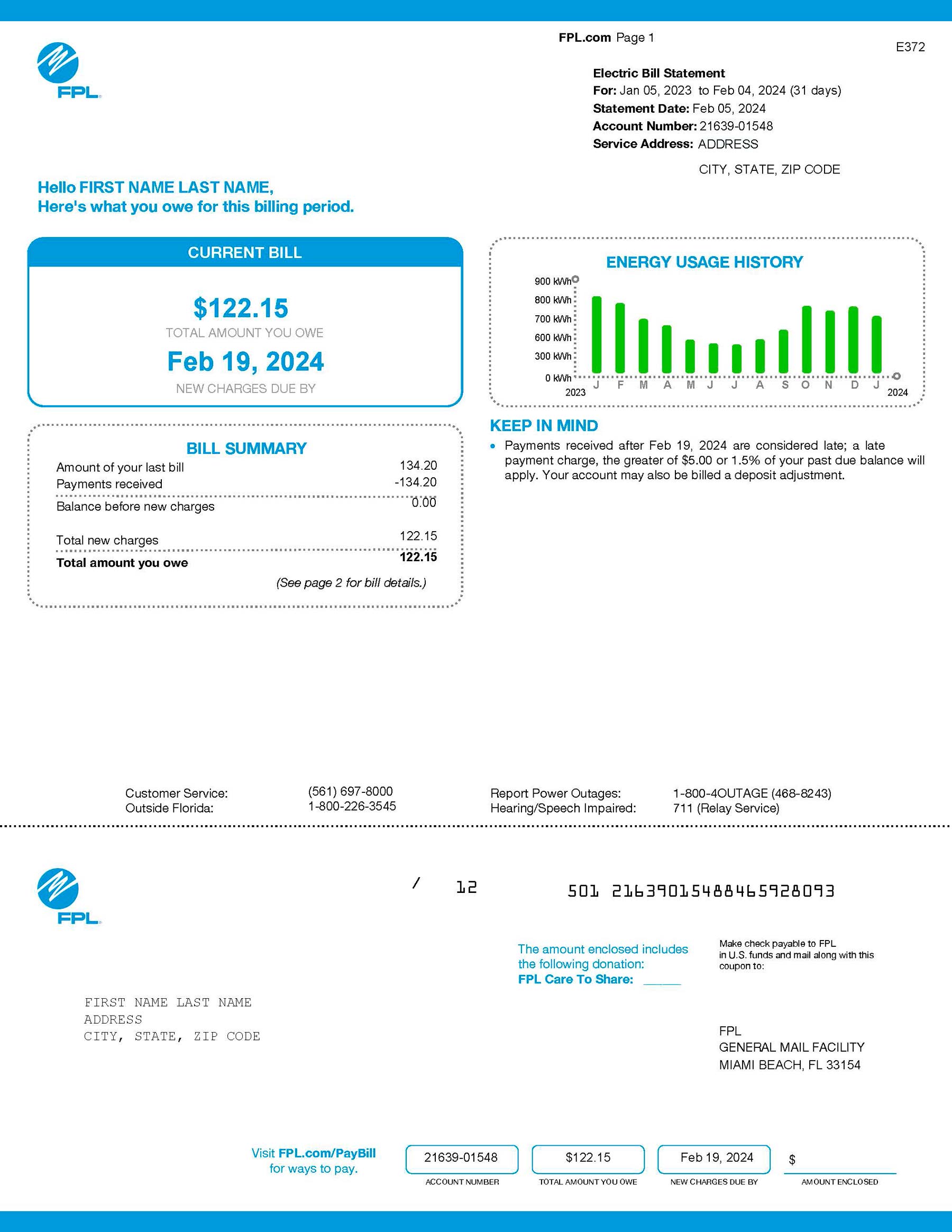
Florida electricity statement template featuring detailed consumption sections, grouped service charges, and clearly structured billing summary areas.
View Florida Template →
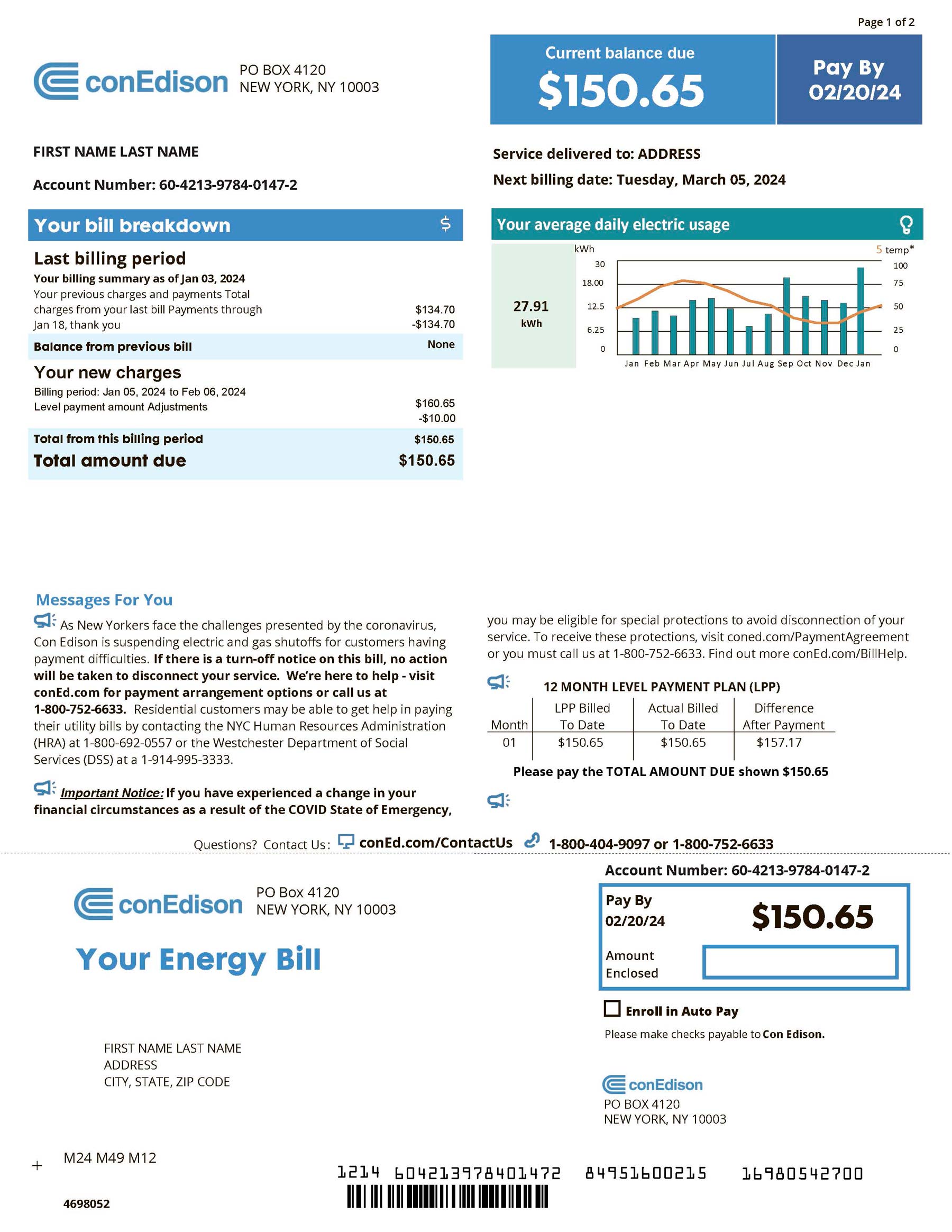
New York utility bill template designed with dense usage sections, structured charge breakdowns, and organized account summary formatting.
View New York Template →
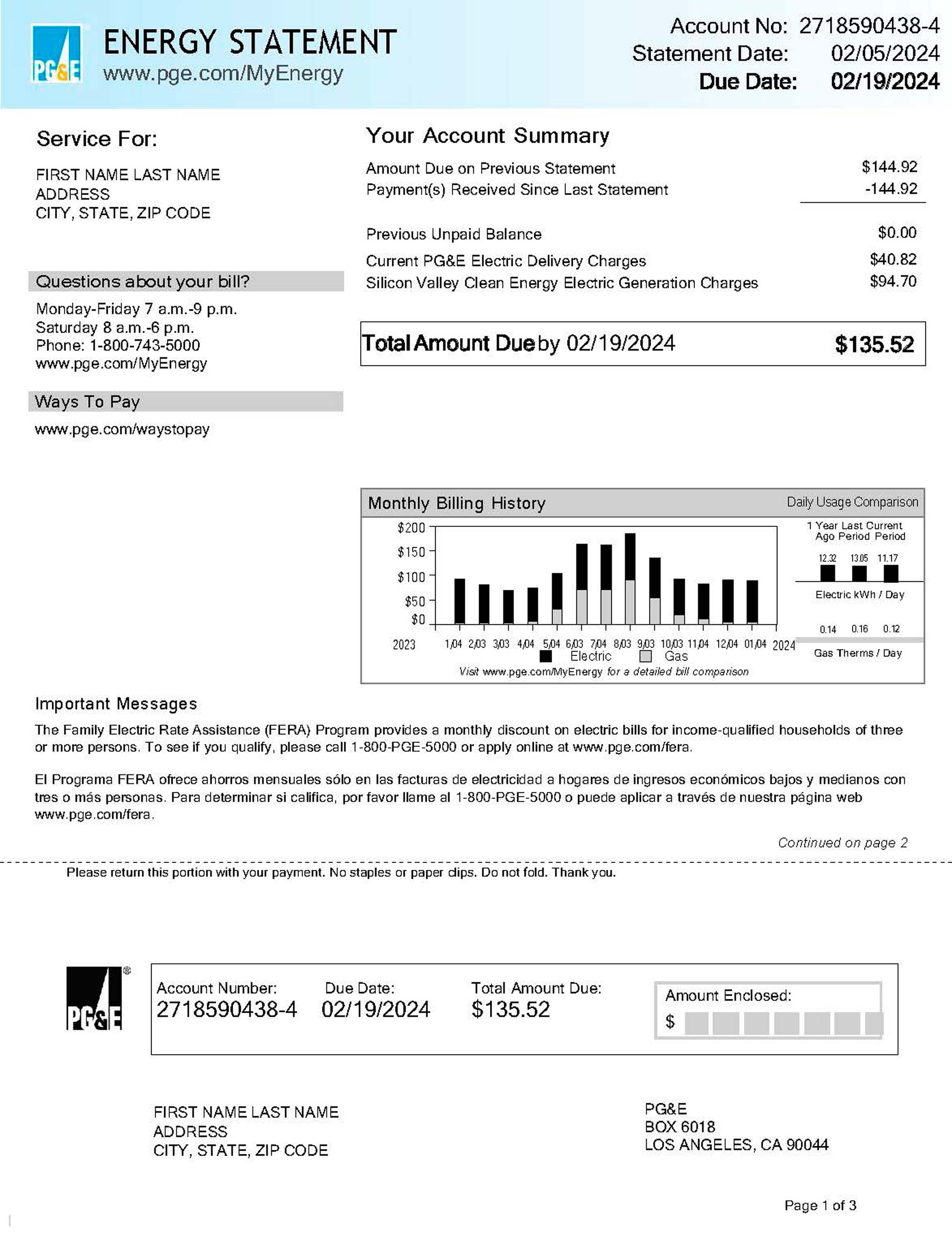
Editable PG&E-style electricity bill layout reflecting California statement formatting patterns, usage tables, delivery charges, and structured totals hierarchy.
View PG&E Layout →
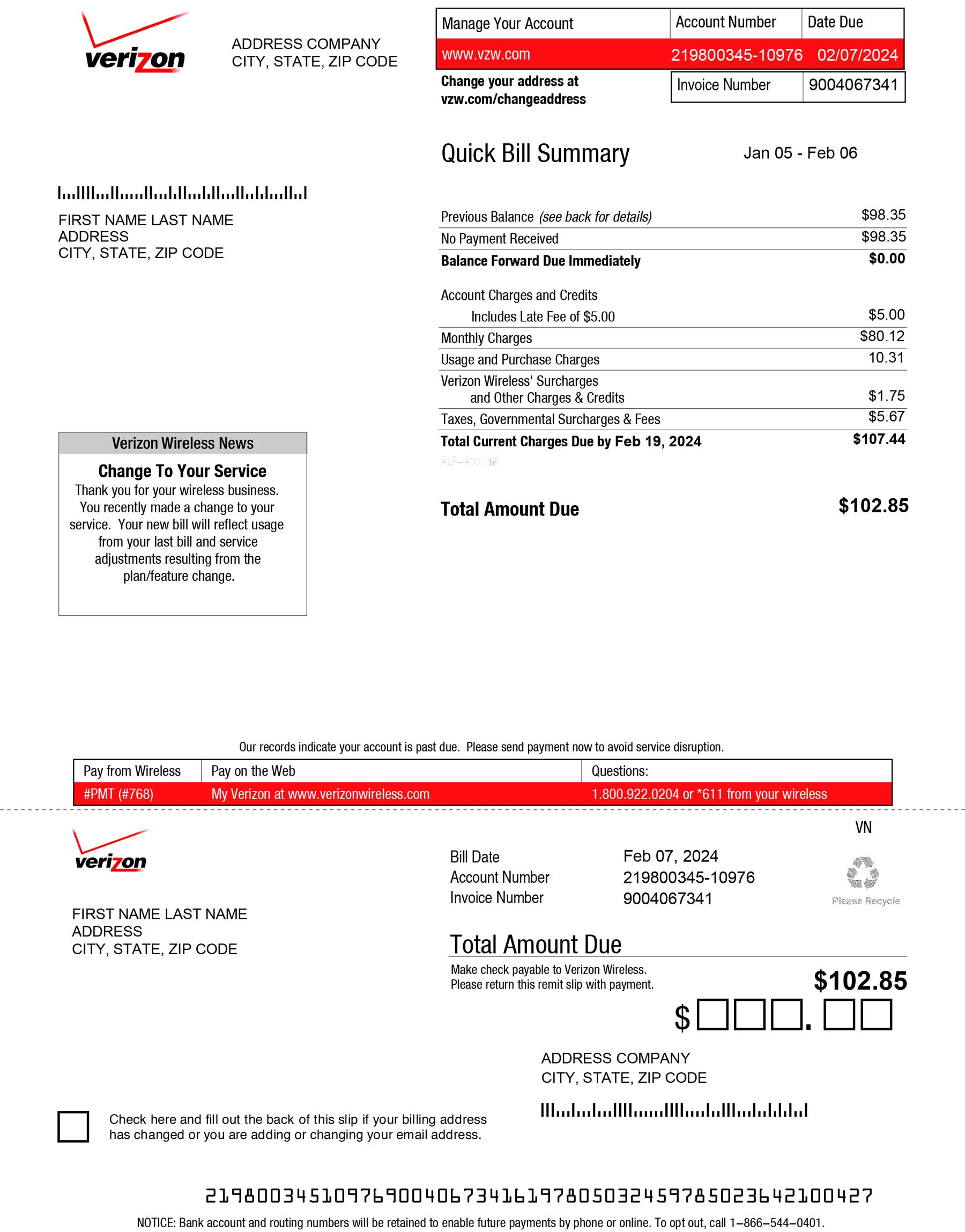
Structured Verizon billing statement template with recurring charge sections, line-item grouping, taxes and fees blocks, and clear monthly total presentation.
View Verizon Template →Explore documentation hubs covering common billing layout patterns across selected international regions.
Documentation of statement structure conventions, terminology differences, and common billing section patterns seen in UK utility formats.
View UK Layouts →Overview of billing layout patterns commonly seen across European regions, including variations in section grouping and document flow.
View European Formats →Regional layout documentation covering common Canadian bill structures, section ordering, and presentation patterns across major utility categories.
View Canada Layouts →Documentation hub for Australian utility statement layout patterns, including common section structures, usage groupings, and billing summaries.
View Australia Layouts →International hubs allow comparison of layout structure across different regions while maintaining a consistent documentation framework.
Templates are organized by service category so you can quickly select the type of utility statement layout you need. Each section provides structured, editable billing formats tailored to electricity, gas, water, phone, and internet services.
This website is an educational documentation resource focused on utility bill layouts, statement formats, and common document structure patterns. It explains how billing information is typically organized, grouped, and presented across different utility services and regions.
This website is built as an authority-style reference library. The primary focus is the educational documentation: utility bill layouts, statement format structure, and common field grouping patterns across utility types and regions.
For teams that need a practical way to apply these layout references during design or documentation work, editable templates are available as an optional resource. These templates are intended to support hands-on formatting exercises such as arranging sections, testing field placement, and creating consistent training or demo materials.
If you are new here, begin with the documentation hubs to understand the structure. If you already know the layout pattern you need, templates can help you work through the formatting details in a controlled, design-oriented way.
This platform is an educational documentation resource. Its purpose is to explain how utility billing documents are typically structured, formatted, and organized, focusing on layout patterns rather than on any specific provider or service.
No. This website does not issue official documents, does not recreate real statements, and does not provide materials intended for submission, validation, or approval in any external process.
The phrase “proof of address” is commonly used as a shorthand to describe address-bearing documents in forms and documentation. It does not refer to a single document type or universal standard, and its meaning varies by context. For a detailed explanation focused on document structure and terminology, see “proof of address” as a documentation term.
The content is designed for designers, developers, educators, analysts, and teams who need to understand billing document structure for UI design, training materials, documentation, research, or presentation purposes.
The layouts described here are generalized references based on common formatting conventions. They are provider-neutral and do not represent any single utility company’s official documentation.
Utility bill formats vary by service type and geography due to differences in terminology, measurement units, and presentation standards. Organizing content by utility and region makes it easier to study and compare these structural differences.
Templates are optional formatting resources that reflect common layout structures. They are intended for hands-on layout work such as mockups, design exercises, or internal documentation, not as finished or official documents.
No. All educational documentation can be used independently. Templates are provided only as an optional aid for users who want an editable formatting reference after reviewing the documentation.
No. This platform operates independently and is not affiliated with utility companies, government agencies, financial institutions, or regulatory bodies.